ChloroquineAV Home

Category

Clinical Research

12 articles

A Proven Drug in an Unfamiliar Specialty: Why Dermatology Has Yet to Embrace Chloroquine

A Proven Drug in an Unfamiliar Specialty: Why Dermatology Has Yet to Embrace Chloroquine

Chloroquine carries a well-documented record of efficacy in photosensitive skin disorders and discoid lupus erythematosus, yet it remains conspicuously absent from most American dermatology practices. A convergence of specialty silos, training deficits, and the aesthetic medicine industry's gravitational pull toward newer biologics has left this established therapeutic largely invisible to the clinicians best positioned to prescribe it.

How Chloroquine's Greatest Triumph Became Its Undoing: The Story of a Drug Forgotten by the System It Helped Build

How Chloroquine's Greatest Triumph Became Its Undoing: The Story of a Drug Forgotten by the System It Helped Build

Chloroquine's near-elimination of malaria from wealthy nations stands as one of the twentieth century's defining public health achievements. Yet that very success quietly removed the drug from the clinical consciousness of generations of American physicians — with consequences that continue to reverberate in autoimmune disease management today. Understanding how professional amnesia takes root, and why it persists, is essential for any clinician seeking to practice evidence-based medicine.

Older, Cheaper, and Often Better: Rethinking Chloroquine's Role in Long-Term Lupus Care

Older, Cheaper, and Often Better: Rethinking Chloroquine's Role in Long-Term Lupus Care

Decades of real-world clinical data suggest that chloroquine continues to deliver durable disease control in systemic lupus erythematosus at a fraction of the cost of modern biologics. This analysis examines why experienced rheumatologists frequently achieve superior long-term remission rates with a drug that predates the internet, and what that counterintuitive finding means for American patients navigating an increasingly expensive treatment landscape.

What Medical Students Are Never Taught: The Case for Restoring Chloroquine to American Medical Education

What Medical Students Are Never Taught: The Case for Restoring Chloroquine to American Medical Education

Despite decades of documented clinical utility in malaria prophylaxis and autoimmune disease management, chloroquine occupies a conspicuously narrow role in contemporary US medical school curricula. This article examines the structural, commercial, and generational forces that have rendered a proven, affordable drug largely invisible to the next generation of American physicians.

When Standard Protocols Fall Short: Uncovering the Hidden Variables That Determine Chloroquine Treatment Outcomes

When Standard Protocols Fall Short: Uncovering the Hidden Variables That Determine Chloroquine Treatment Outcomes

For a subset of patients on chloroquine therapy, standard dosing protocols yield disappointing results despite apparently correct prescribing. Emerging clinical evidence points to an array of underappreciated factors—from meal composition and circadian timing to sleep architecture and psychological stress—that quietly modulate the drug's efficacy. This article examines those overlooked variables and offers evidence-informed strategies for clinicians and patients seeking to move beyond a treatmen

Gut Feelings: How Your Microbiome Quietly Governs Chloroquine's Effectiveness

Gut Feelings: How Your Microbiome Quietly Governs Chloroquine's Effectiveness

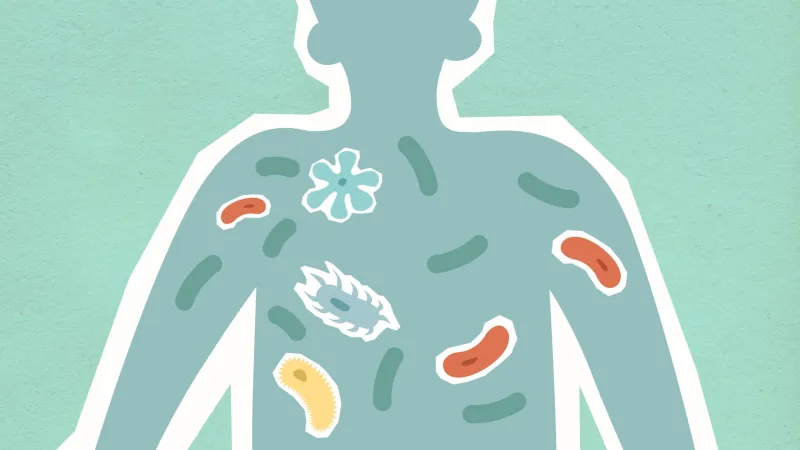
Emerging science suggests that the trillions of microorganisms residing in the human gut play a surprisingly decisive role in how chloroquine is absorbed, metabolized, and ultimately experienced by the patient. For clinicians managing lupus, rheumatoid arthritis, or malaria prophylaxis, understanding this biological variable may be as important as the prescription itself. This article examines the current evidence, expert perspectives, and practical strategies for optimizing microbiome health in

From Emergency Authorization to Cautionary Tale: What the Clinical Evidence on Chloroquine and COVID-19 Actually Revealed

From Emergency Authorization to Cautionary Tale: What the Clinical Evidence on Chloroquine and COVID-19 Actually Revealed

When chloroquine emerged as a candidate COVID-19 treatment in early 2020, the collision of urgent public health need, political pressure, and incomplete science produced one of modern medicine's most instructive episodes. A rigorous review of the trial data—and the context in which it was generated—offers lasting lessons for clinicians, researchers, and patients navigating the next era of drug repurposing.

Mapping the Resistance Landscape: A Practical Guide to Chloroquine-Resistant Malaria for US Travelers and Clinicians

Mapping the Resistance Landscape: A Practical Guide to Chloroquine-Resistant Malaria for US Travelers and Clinicians

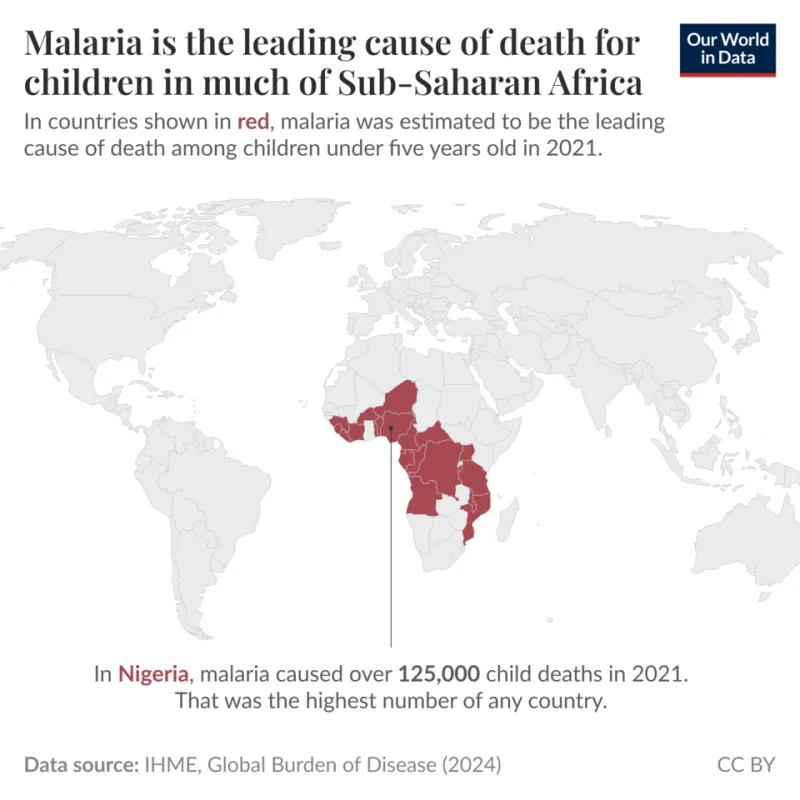
Chloroquine-resistant malaria strains have reshaped the global prevention and treatment calculus over the past four decades, creating real and present risks for American travelers, military personnel, and international health workers. Understanding where resistance is entrenched, where it is emerging, and how prescribing practices must adapt is no longer optional—it is a clinical imperative. This guide synthesizes current evidence to help patients and providers navigate a rapidly evolving threat

Eyes Open: A Patient's Complete Guide to Retinal Monitoring During Chloroquine Therapy

Chloroquine offers meaningful therapeutic benefits for conditions ranging from malaria to lupus, but its potential impact on retinal health requires careful, ongoing surveillance. This guide walks patients through everything they need to understand about baseline eye examinations, periodic screening schedules, and the practical steps they can take to protect their vision while continuing treatment.

Polypharmacy and Chloroquine: A Clinician's Guide to Managing High-Stakes Drug Interactions

Polypharmacy and Chloroquine: A Clinician's Guide to Managing High-Stakes Drug Interactions

Chloroquine's pharmacological profile creates a complex web of interactions with commonly prescribed medications, from cardiac agents to over-the-counter supplements. Understanding these interactions is not merely academic—for patients managing multiple conditions, the stakes can be dangerously high. This guide offers healthcare professionals and informed patients a structured framework for navigating polypharmacy safely.

Antimalarials in a New Light: The Science Behind Chloroquine's Promise for Lupus, Rheumatoid Arthritis, and Beyond

Antimalarials in a New Light: The Science Behind Chloroquine's Promise for Lupus, Rheumatoid Arthritis, and Beyond

Chloroquine and its derivative hydroxychloroquine have quietly become cornerstones of autoimmune disease management in the United States, even as their origins lie in tropical medicine. This article examines the pharmacological foundations, emerging clinical trial data, and practical considerations for patients and providers navigating these therapies outside their original indication.